
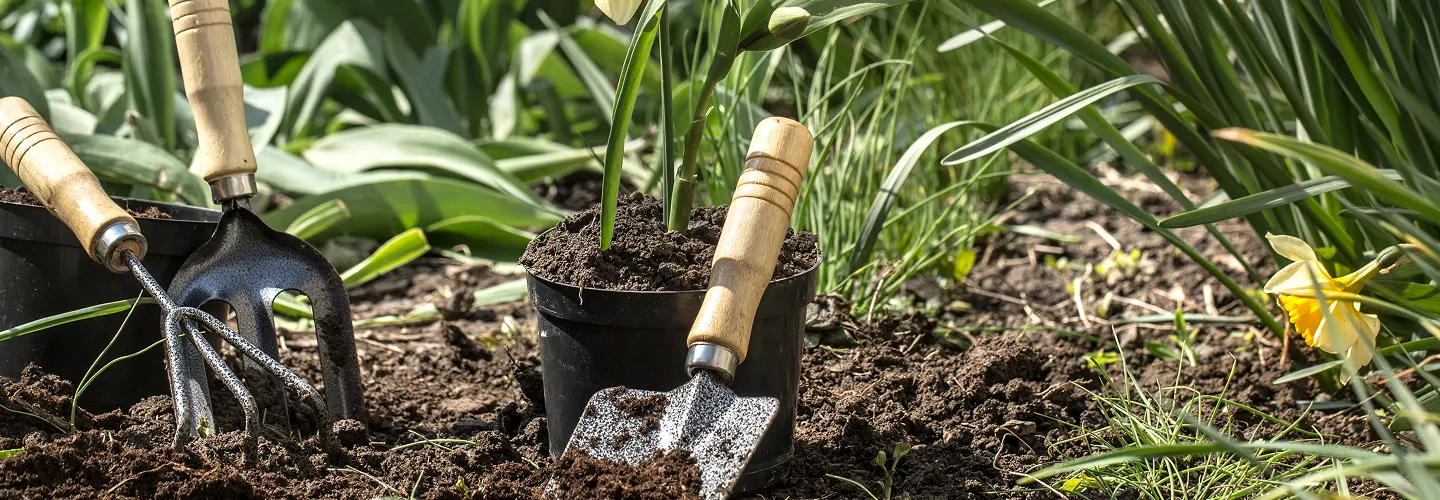
Hampton Green Waste Disposal Services
Choose our Green Waste Disposal for reliable, environmentally responsible service that keeps your property clean and supports a healthier community—experience hassle-free pickups and sustainable waste management you can trust.
Get a Free QuoteOur Hampton Landscaping & Yard Care Services
When to Schedule Green Waste Disposal in Hampton, Connecticut – Seasonal Guide
In Hampton, Connecticut, the timing of green waste disposal is closely tied to our unique climate and landscape. With cold winters and humid summers, the best periods for scheduling green waste removal are typically late spring, after the last frost, and early fall, before the first hard freeze. These windows allow residents in neighborhoods like North Hampton and near the Natchaug State Forest to clear away yard debris without interfering with new growth or risking weather-related delays.
Local factors such as the region’s clay-heavy soils, frequent summer thunderstorms, and the dense shade from mature maples and oaks in areas like Old Route 6 all play a role in determining the optimal disposal schedule. Additionally, municipal guidelines and seasonal collection programs—often updated on the town’s official website—should be reviewed to ensure compliance and maximize efficiency.
Local Factors to Consider for Green Waste Disposal in Hampton
- Tree density and type (e.g., heavy leaf drop from oaks and maples)
- Terrain and soil drainage (clay soils can slow decomposition)
- Precipitation patterns and risk of summer drought
- Frost dates and growing season length
- Shade coverage affecting debris accumulation
- Municipal restrictions and scheduled collection dates
Benefits of Green Waste Disposal in Hampton
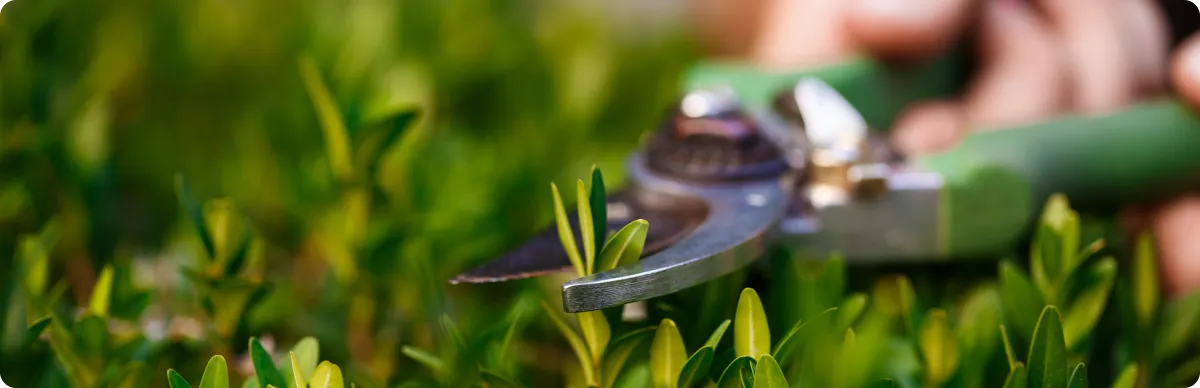
Eco-Friendly Landscaping Solutions
Efficient Green Waste Removal
Promotes Healthy Garden Growth
Reduces Landfill Waste
Cost-Effective Disposal Services
Supports Local Sustainability Efforts
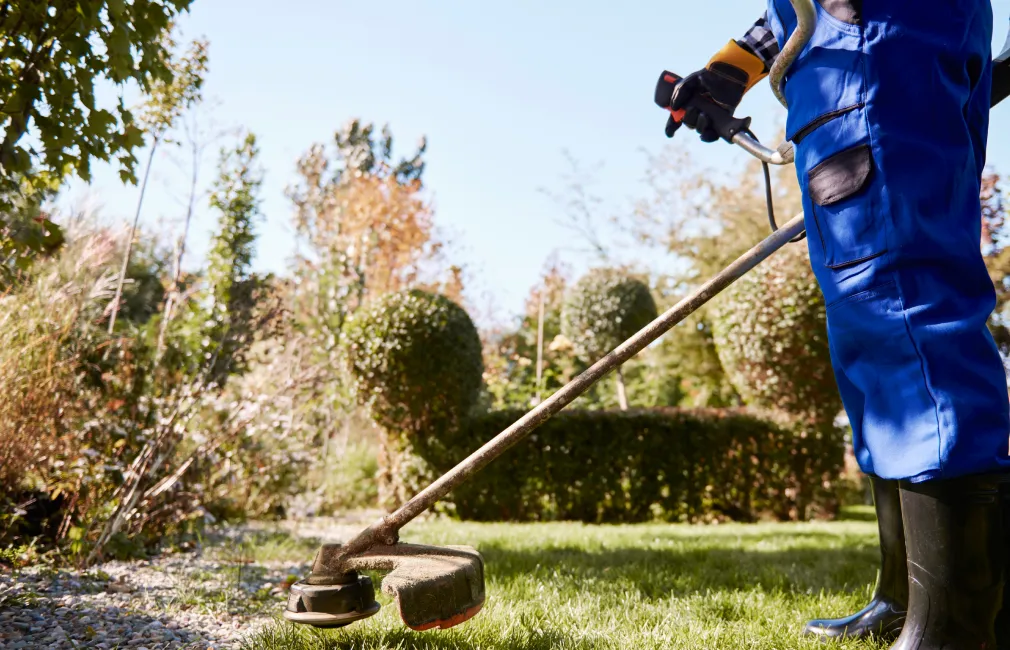
Hampton Green Waste Disposal Types

Grass Clippings
-
Tree Branches
-
Shrub Trimmings
-
Leaves Collection
-
Garden Weeds
-
Mulch Disposal
-
Hedge Cuttings
Our Green Waste Disposal Process
Collection of Green Waste
Sorting and Separation
Transport to Disposal Facility
Eco-Friendly Processing
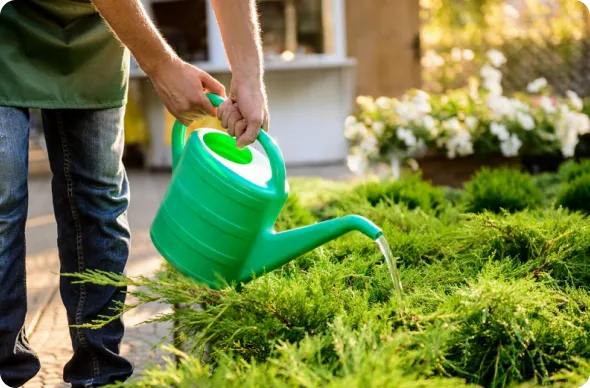
Why Choose Hampton Landscape Services
-
Hampton Homeowners Trust Us
-
Expert Lawn Maintenance
-
Reliable Seasonal Cleanup
-
Competitive Pricing
-
Professional Team
-
Satisfaction Guarantee
-
Personalized Service
Hampton’s Green Waste Collection Schedule and Municipal Requirements
Green waste disposal in Hampton is governed by specific municipal protocols to ensure compliance and environmental protection. Weekly curbside collection typically occurs every Thursday from April through November. Residents must use biodegradable paper bags or rigid containers not exceeding 32 gallons for leaves, grass clippings, and brush under 4 feet in length. Plastic bags and branches over 4 inches in diameter are strictly prohibited. All materials should be placed curbside by 7:00 AM on collection day. For larger volumes or off-schedule disposal, the town may designate drop-off days or sites. Coordination with the Department of Public Works is essential for up-to-date schedules and any changes due to holidays or weather events.
Hampton CT Public Works
164 Main Street, Hampton, CT 06247
Phone: (860) 455-9132
Official Website: Hampton CT Public Works
These requirements help maintain compliance with local ordinances and support responsible waste management.
Managing Green Waste Near Hampton’s Wetlands and Conservation Areas
Hampton contains several sensitive wetlands and conservation lands, including areas adjacent to the Little River and Goodwin State Forest. Disposal of green waste within 25 feet of wetlands or watercourses is prohibited under local and state regulations to prevent nutrient runoff and habitat disruption. The Connecticut Environmental Protection Act and the town’s conservation ordinances require a no-disturbance buffer zone, and all yard debris must be kept out of these protected areas. Residents are encouraged to consult the USDA Web Soil Survey to identify poorly drained soils and buffer requirements on their property. For properties bordering conservation land, additional restrictions may apply, and permits may be required for any large-scale debris removal or site work.
Hampton CT Conservation Commission
164 Main Street, Hampton, CT 06247
Phone: (860) 455-9132
Official Website: Hampton CT Conservation Commission
Soil Series and Drainage Considerations for Green Waste in Hampton
Hampton’s predominant soils, such as the Charlton-Chatfield and Paxton series, are characterized by glacial till, moderate to poor drainage, and a pH range of 5.5-6.5. These conditions can lead to seasonal waterlogging, especially in low-lying areas. When managing green waste, it is critical to avoid stockpiling debris on saturated soils or near drainage swales, as this can impede water flow and contribute to erosion. Composting on-site is recommended only on well-drained ground, with piles located at least 50 feet from wells and 25 feet from wetlands. Soil testing is available through UConn Extension for $15-25 per sample, providing guidance on pH adjustment and organic matter incorporation. Incorporate 2-3 inches of compost to a 6-inch depth for soil improvement, and avoid adding green waste to areas with standing water.
Equipment Operation Hours and Safety Standards for Green Waste Handling in Hampton
The Town of Hampton enforces strict equipment operation hours to minimize noise and ensure public safety. Permitted hours for powered equipment, including chippers and mowers, are:
- Monday-Friday: 7:00 AM - 7:00 PM
- Saturday: 8:00 AM - 6:00 PM
- Sunday and holidays: Prohibited
Operators must use commercial-grade equipment with functioning mufflers and maintain noise levels below 85 decibels at property lines. Personal protective equipment is mandatory, including:
- ANSI Z87.1 safety glasses
- Hearing protection for noise above 85 dB
- Steel-toed boots and cut-resistant gloves
Maintain a 15-foot clearance from overhead lines and public roads. For large-scale operations or work near public infrastructure, coordinate with the Department of Public Works for traffic control and safety protocols.
Hampton CT Public Works
164 Main Street, Hampton, CT 06247
Phone: (860) 455-9132
Official Website: Hampton CT Public Works
State and Federal Environmental Compliance for Green Waste Disposal in Hampton
Green waste management in Hampton must comply with both state and federal environmental regulations. The Connecticut Department of Energy and Environmental Protection (CT DEEP) oversees MS4 stormwater permits, which prohibit the discharge of yard debris into storm drains or water bodies. The Clean Water Act mandates that all green waste be managed to prevent nutrient and sediment runoff. Residents should maintain a 25-foot buffer from wetlands and avoid applying any yard waste or compost within 50 feet of streams or ponds. For additional guidance, consult EPA Region 1 and the National Weather Service for weather-related disposal advisories. These measures protect local water quality and ensure compliance with all applicable laws.
What Neighborhoods Do We Serve Throughout Hampton, CT?
- Hampton Hill: Central village area with older homes, mature trees, and narrow streets. Green waste collection is challenged by limited curb space and high leaf volume in autumn.
- West Hampton: Features larger lots and proximity to wetlands, requiring strict adherence to buffer zones and careful debris placement to avoid runoff into sensitive areas.
- East Hampton: Includes newer developments with improved drainage but heavier clay soils, making on-site composting and soil amendment especially beneficial.
- Kenyon Road Area: Rural properties with extensive wooded lots and private drives. Access for collection vehicles may be limited, and brush piles must be kept clear of roadways.
- Goodwin State Forest Vicinity: Properties adjacent to conservation land face additional restrictions on green waste disposal to protect wildlife corridors and water quality.
- North Hampton: Characterized by sloped terrain and seasonal water flow, requiring careful placement of green waste to prevent erosion and maintain drainage patterns.