
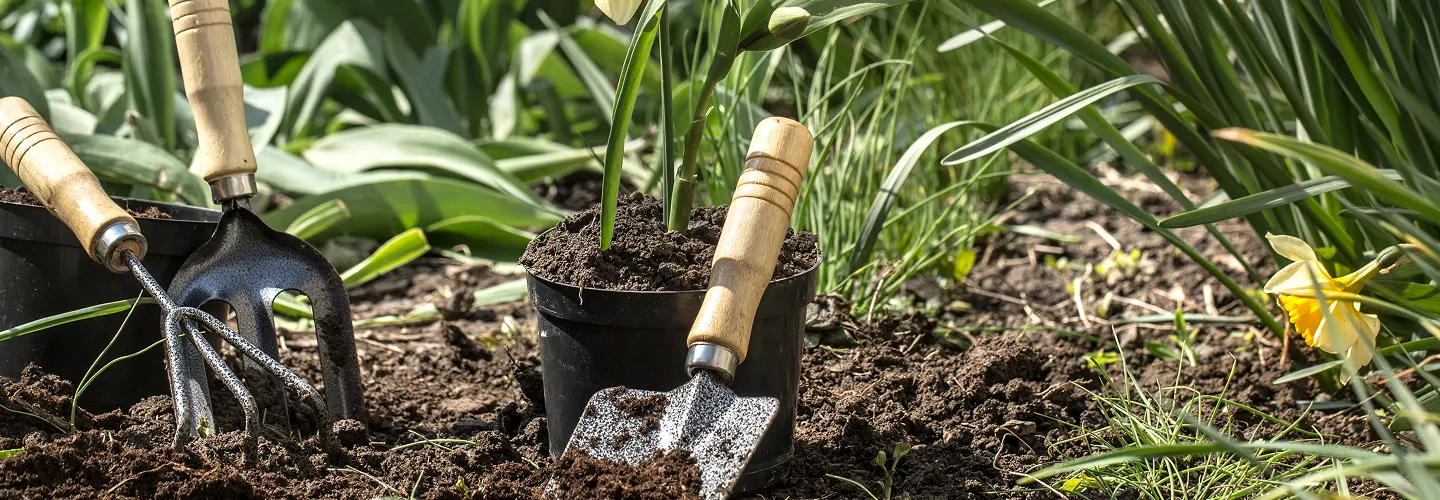
Hampton Weeding Services
Choose our professional weeding services for a healthier, more beautiful garden—our experienced team removes unwanted growth efficiently, ensuring your plants thrive and your outdoor space looks its best all season long.
Get a Free QuoteOur Hampton Landscaping & Yard Care Services
When to Schedule Weeding in Hampton, Connecticut – Seasonal Guide
In Hampton, Connecticut, the best times to schedule weeding are closely tied to our unique climate and landscape. Early spring, just after the last frost, is ideal for tackling weeds before they establish deep roots. This timing is especially important in neighborhoods near the Natchaug State Forest and along Windham Road, where shaded areas and rich, loamy soils can encourage rapid weed growth. Late summer and early fall are also effective periods, as cooler temperatures and increased rainfall can make weed removal easier and help prevent regrowth before winter sets in.
Local environmental factors play a significant role in determining the optimal weeding schedule. Hampton’s variable humidity, occasional drought risk, and the prevalence of shaded yards—particularly in areas like the vicinity of Hampton Hill—require a tailored approach. Homeowners should also consider municipal guidelines and best practices, which can be found on the Town of Sudbury’s official website, to ensure compliance with local regulations and environmental stewardship.
Local Factors to Consider for Weeding in Hampton
- Tree density and shade coverage, especially near forested neighborhoods
- Soil type and drainage, which affect weed growth and removal
- Seasonal precipitation patterns and drought risk
- Terrain and slope, impacting accessibility and erosion risk
- Municipal restrictions or guidelines for yard maintenance
Benefits of Weeding in Hampton

Enhanced Curb Appeal
Healthier Plant Growth
Reduced Pest Infestation
Improved Soil Quality
Professional and Reliable Service
Time and Effort Savings
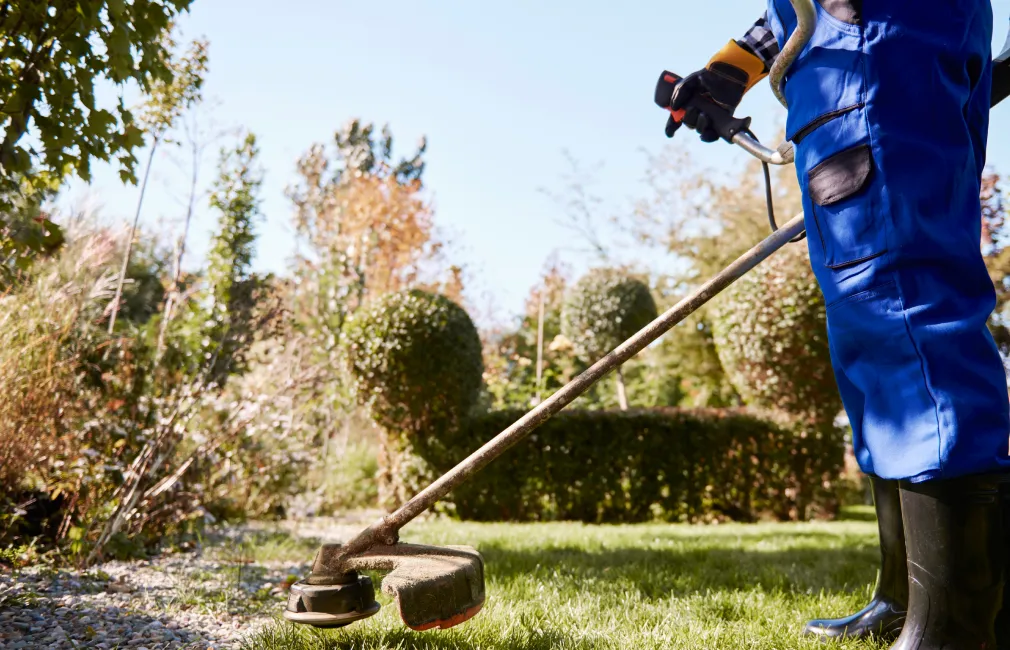
Hampton Weeding Types

Hand Weeding
-
Mulch Application
-
Pre-Emergent Weed Control
-
Post-Emergent Weed Spraying
-
Landscape Bed Maintenance
-
Gravel and Pathway Weeding
-
Organic Weed Removal
Our Weeding Process
Site Evaluation
Weed Identification
Targeted Removal
Soil Treatment
Final Inspection
Why Choose Hampton Landscape Services
-
Hampton Homeowners Trust Us
-
Expert Lawn Maintenance
-
Reliable Seasonal Cleanup
-
Competitive Pricing
-
Professional Team
-
Satisfaction Guarantee
-
Personalized Service
Hampton’s Glacial Till Soils: Implications for Effective Weeding Practices
Weeding in Hampton, CT requires careful consideration of the town’s predominant glacial till soils, which are classified as Inceptisols and Ultisols according to the USDA Web Soil Survey. These soils are typically rocky, moderately acidic (pH 5.5–6.5), and often poorly drained, especially in low-lying areas. Effective weed removal should include:
- Soil testing (available through UConn Extension; typical cost $15–25)
- Incorporation of 2–3 inches of compost tilled to a 6-inch depth to improve structure
- Lime application if pH is below 6.0
- Use of deep-rooted hand tools to address compaction and remove perennial weeds
Timing is critical: spring and early fall are optimal for weeding, when soil moisture is adequate and weed seedlings are most vulnerable. For site-specific guidance, property owners may consult the Conservation Commission.
Hampton CT Conservation Commission
164 Main Street, Hampton, CT 06247
Phone: (860) 455-9132
Official Website: Hampton CT Conservation Commission
Yard Waste Collection and Weeding Debris Disposal in Hampton
Proper disposal of weeding debris in Hampton is governed by municipal collection schedules and local ordinances. The Department of Public Works oversees yard waste management, with the following requirements:
- Weekly curbside pickup: Thursdays, April–November
- Accepted materials: weeds, leaves, grass clippings, brush under 4 feet
- Containers: Biodegradable paper bags or reusable bins (32-gallon max)
- Prohibited: Plastic bags, branches over 4 inches diameter
Residents must ensure that no yard waste enters storm drains, in compliance with the town’s MS4 permit under the Clean Water Act. Violations may result in fines. For large volumes, the town transfer station is available during posted hours. For detailed collection guidelines, contact the Department of Public Works.
Hampton CT Public Works
164 Main Street, Hampton, CT 06247
Phone: (860) 455-9132
Official Website: Hampton CT Public Works
Environmental Compliance: Wetland Buffers and Stormwater Protection in Hampton
Weeding activities near wetlands, streams, or conservation areas in Hampton must comply with both local and state environmental regulations. The Connecticut Environmental Protection Act and the town’s wetland ordinance require:
- 25-foot no-disturbance buffer from delineated wetlands
- 50-foot setback for chemical applications (herbicides, fertilizers)
- Prohibition of debris dumping in or near water bodies
- MS4 permit compliance: No yard waste or soil in storm drains
Sensitive areas, such as the Little River corridor and town conservation lands, are subject to additional oversight. For questions about buffer zones or regulated activities, consult the Conservation Commission or the Connecticut Department of Energy and Environmental Protection (CT DEEP).
Connecticut Department of Energy and Environmental Protection
79 Elm Street, Hartford, CT 06106
Phone: (860) 424-3000
Official Website: Connecticut Department of Energy and Environmental Protection
Equipment Operation Hours and Safety Standards for Weeding in Hampton
Hampton enforces specific noise and equipment operation ordinances to minimize disturbance during weeding and yard maintenance. According to municipal code:
- Permitted hours: Monday–Friday, 7:00 AM–7:00 PM
- Saturday: 8:00 AM–6:00 PM
- Sunday and holidays: Prohibited
- Equipment must not exceed 85 decibels at property lines
Operators are required to use:
- ANSI Z87.1 safety glasses
- Hearing protection for equipment over 85 dB
- Steel-toed boots and cut-resistant gloves
For work near public roads or town facilities, advance notification to the Department of Public Works is recommended. The Building Department oversees enforcement of safety and equipment standards.
Hampton CT Building Department
164 Main Street, Hampton, CT 06247
Phone: (860) 455-9132
Official Website: Hampton CT Building Department
What Neighborhoods Do We Serve Throughout Hampton, CT?
- Hampton Hill: Central village area with mature trees, historic properties, and compacted soils requiring careful hand weeding and attention to root zones.
- East Hampton: Features larger lots, variable drainage, and proximity to wetlands, necessitating strict buffer compliance and debris management.
- West Old Route 6 Corridor: Mix of residential and agricultural parcels, with rocky soils and frequent stone outcrops that challenge mechanical weeding.
- Kenyon Road Area: Rural setting with forest edges, higher deer pressure, and invasive species concerns, requiring targeted removal and native plant restoration.
- North Bigelow Brook: Properties adjacent to watercourses and conservation lands, subject to enhanced wetland protections and stormwater controls.
- South Hampton: Includes newer developments with improved drainage but potential for soil compaction from construction, requiring soil amendment before replanting.
- Potter Hill: Elevated terrain with steeper slopes, necessitating erosion control measures and careful debris containment during weeding operations.
Seasonal Timing and Climate Considerations for Weeding in Hampton’s Hardiness Zone 6a
Hampton is located in USDA Hardiness Zone 6a, with average annual minimum temperatures of -10°F to -5°F. Optimal weeding periods are:
- Spring: April 15–May 30 (soil temp 50–65°F)
- Fall: August 20–September 30 (before first frost)
Avoid weeding during peak summer (June–August) to reduce soil disturbance and erosion risk. Monitor local weather forecasts through the National Weather Service for rainfall and temperature trends. For persistent weed problems, consult UConn Extension for integrated management strategies and plant selection suited to Hampton’s climate. Regular monitoring and timely intervention are essential for long-term weed suppression and landscape health.