
Hampton Brush Removal Services
Choose our brush removal services for fast, thorough clearing that enhances safety, boosts curb appeal, and prepares your property for any project—handled by local experts you can trust.
Get a Free QuoteOur Hampton Landscaping & Yard Care Services
When to Schedule Brush Removal in Hampton, Connecticut – Seasonal Guide
In Hampton, Connecticut, timing your brush removal is crucial for maintaining healthy landscapes and preventing overgrowth. The best periods for this service are typically late winter through early spring, just after the last frost but before new growth begins. This window allows for easier access to brush and minimizes disruption to local wildlife. Hampton’s climate, with its cold winters and humid summers, means that brush can accumulate quickly, especially in shaded areas like those near the Natchaug State Forest or along the Shetucket River corridor.
Local environmental factors such as the region’s clay-rich soils, variable precipitation, and the risk of summer droughts all play a role in determining the optimal time for brush removal. Homeowners in neighborhoods like Westford or near the Hampton Hill Historic District should also consider municipal guidelines and seasonal restrictions, which can be found on the Town of Sudbury’s website, to ensure compliance and environmental stewardship.
Local Factors to Consider for Brush Removal in Hampton
- Tree density and undergrowth in your yard or property
- Terrain challenges, such as slopes or rocky areas
- Average precipitation and risk of soil erosion
- Frost dates and timing of new plant growth
- Shade coverage affecting brush accumulation
- Municipal restrictions or seasonal guidelines
Benefits of Brush Removal in Hampton

Enhanced Curb Appeal
Improved Lawn Health
Reduced Pest Infestations
Increased Usable Space
Fire Hazard Reduction
Faster Project Completion
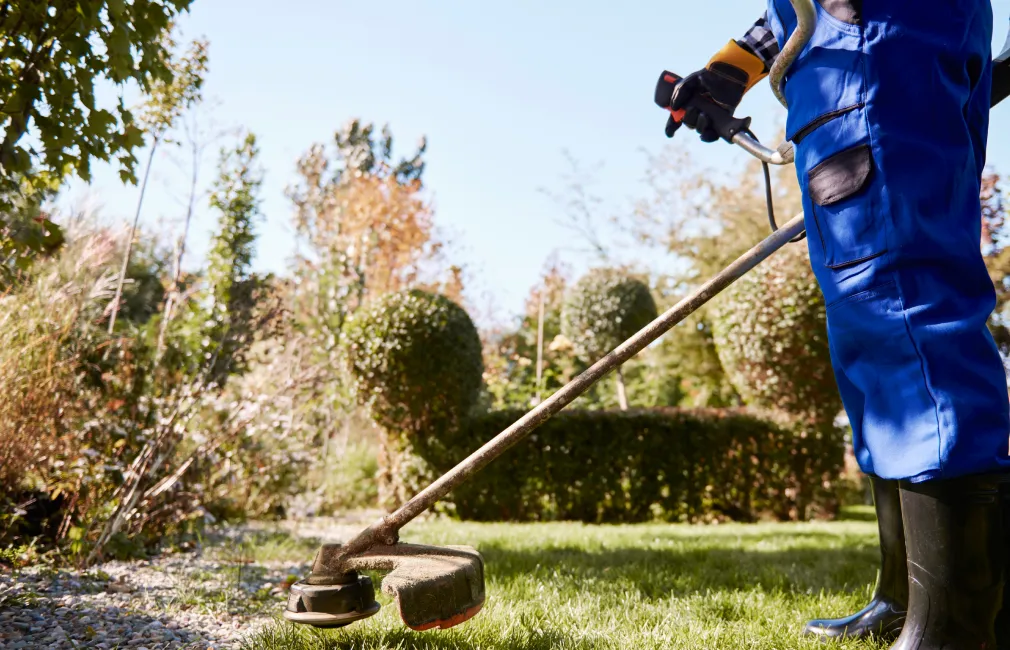
Hampton Brush Removal Types

Manual Brush Clearing
-
Mechanical Brush Removal
-
Selective Brush Cutting
-
Brush Mulching
-
Controlled Burning
-
Herbicide Application
-
Stump Grinding
Our Brush Removal Process
Site Evaluation
Safety Preparation
Brush Clearing
Debris Removal
Final Inspection
Why Choose Hampton Landscape Services
-
Hampton Homeowners Trust Us
-
Expert Lawn Maintenance
-
Reliable Seasonal Cleanup
-
Competitive Pricing
-
Professional Team
-
Satisfaction Guarantee
-
Personalized Service
Brush Removal Coordination with Hampton’s Department of Public Works and Local Ordinances
Brush removal in Hampton is regulated to ensure public safety, environmental protection, and efficient municipal operations. The Department of Public Works oversees brush collection and disposal, with scheduled pickups typically occurring every Thursday from April through November. Residents must use biodegradable bags or 32-gallon reusable bins for brush under 4 feet in length and 4 inches in diameter; plastic bags and oversized branches are prohibited. Equipment operation for brush removal is permitted Monday through Friday, 7:00 AM to 7:00 PM, and Saturday, 8:00 AM to 6:00 PM, with all work prohibited on Sundays and holidays. Permits are required for large-scale clearing or removal near public rights-of-way, with a standard review period of 5-10 business days and typical fees ranging from $25 to $75. Coordination with municipal staff is essential for projects near town roads or public lands.
Hampton CT Public Works
164 Main Street, Hampton, CT 06247
Phone: (860) 455-9132
Official Website: Hampton CT Public Works
Soil and Site Considerations for Brush Removal in Hampton’s Glacial Till Landscapes
Hampton’s predominant soils, including Charlton-Chatfield and Paxton series, are characterized by glacial till, moderate to high stone content, and moderately acidic pH (5.5–6.5). These soils often exhibit poor drainage, especially in low-lying or wooded areas, leading to seasonal water tables at 12–18 inches. When planning brush removal, it is critical to assess soil compaction and avoid heavy equipment use during wet periods to prevent rutting and erosion. For best results:
- Schedule removal when soils are firm (late spring or early fall)
- Use tracked equipment or manual methods on slopes and near wetlands
- Incorporate 2–3 inches of compost to restore organic matter after clearing Soil testing is recommended through UConn Extension (typical cost: $15–$25) to guide post-removal restoration and revegetation. Reference the USDA Web Soil Survey for parcel-specific soil data.
Environmental Compliance: Wetland Buffers and Stormwater Protections in Hampton
Brush removal activities in Hampton must comply with local, state, and federal environmental regulations to protect wetlands, streams, and sensitive habitats. The Connecticut Environmental Protection Act and the town’s conservation ordinances require a minimum 25-foot no-disturbance buffer from delineated wetlands and watercourses. The town’s MS4 stormwater permit, administered under the Clean Water Act, prohibits brush or debris from entering storm drains or surface waters. Key compliance steps include:
- Maintain 25-foot buffer from wetlands and vernal pools
- Use silt fencing or straw wattles on slopes to prevent runoff
- Schedule removal outside of peak amphibian migration (typically March–April)
- Dispose of all debris at approved municipal sites For guidance on buffer delineation and compliance, consult the Conservation Commission.
Hampton CT Conservation Commission
164 Main Street, Hampton, CT 06247
Phone: (860) 455-9132
Official Website: Hampton CT Conservation Commission
Safety Protocols and Equipment Standards for Brush Removal in Hampton
All brush removal operations in Hampton must adhere to municipal safety standards and state regulations. Operators are required to use commercial-grade equipment with functioning mufflers, and noise levels must not exceed 85 decibels at property lines. Personal protective equipment (PPE) is mandatory:
- Eye protection: ANSI Z87.1 safety glasses
- Hearing protection: Earmuffs or plugs for 85+ dB
- Footwear: Steel-toed boots with non-slip soles
- Gloves: Cut-resistant for pruning, chemical-resistant for herbicide use Maintain a 15-foot clearance from overhead power lines and a 50-foot setback from occupied structures when chipping or burning brush (burning requires a permit from the Fire Department). All operators must be familiar with emergency procedures and have first aid kits on site.
Hampton CT Fire Department
190 Main Street, Hampton, CT 06247
Phone: (860) 455-9400
Official Website: Hampton CT Fire Department
What Neighborhoods Do We Serve Throughout Hampton, CT?
- Hampton Hill: Features mature woodlots and historic properties with rocky, poorly drained soils, requiring careful equipment selection and erosion control during brush removal.
- East Hampton: Characterized by larger lots, moderate slopes, and proximity to wetlands, necessitating strict adherence to buffer regulations and seasonal timing.
- West Old Route 6 Corridor: Includes mixed residential and agricultural parcels with compacted soils and limited access, often requiring manual removal methods.
- Kenyon Road Area: Noted for dense forest cover and vernal pools, with frequent wet conditions and sensitive habitats that demand low-impact techniques and compliance with conservation guidelines.
- North Hampton: Contains newer developments with improved drainage but stricter HOA landscaping standards and setback requirements for debris storage.
- South Hampton: Adjacent to conservation lands and streams, presenting challenges related to floodplain management and restricted equipment access during wet seasons.
State and Federal Regulations Affecting Brush Removal in Hampton
Brush removal in Hampton is subject to oversight by the Connecticut Department of Energy and Environmental Protection (CT DEEP), which enforces the Connecticut Environmental Protection Act and MS4 stormwater requirements. The town falls within USDA Hardiness Zone 6a, and all activities must comply with federal Clean Water Act standards. For technical guidance on soil management, invasive species, and revegetation, consult UConn Extension. Weather-related timing should reference the National Weather Service - Boston/Norton Office, which provides local forecasts for Hampton. For regional environmental oversight, refer to EPA Region 1.