
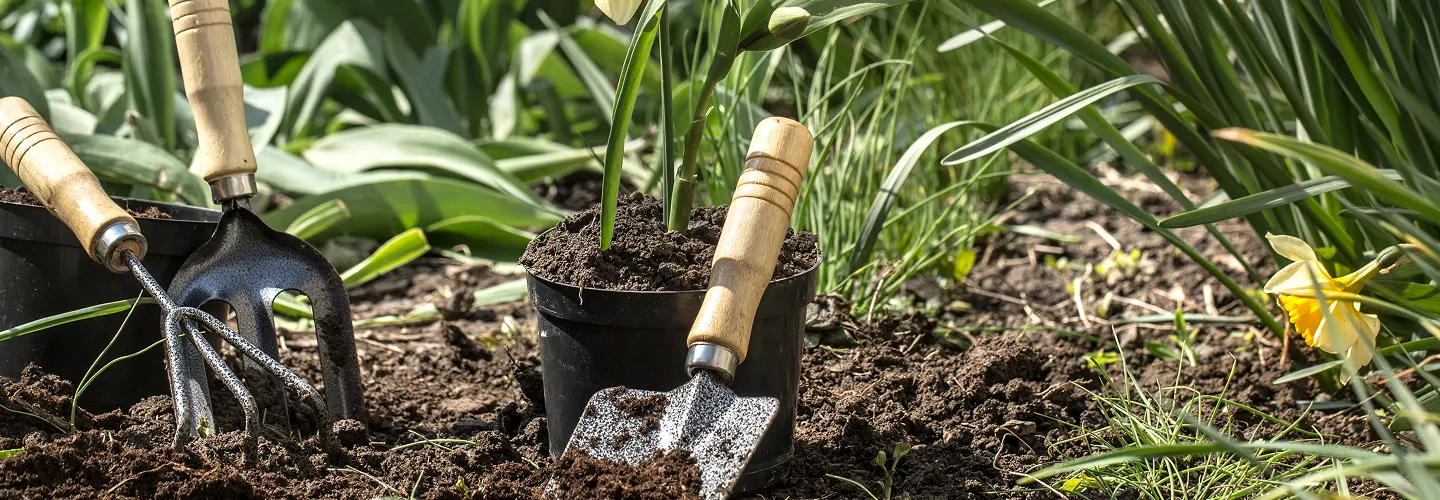
Hampton Pruning Services
Choose our professional pruning services for healthier plants, improved curb appeal, and expert attention to every detail—ensuring your landscape thrives season after season.
Get a Free QuoteOur Hampton Landscaping & Yard Care Services
When to Schedule Pruning in Hampton, Connecticut – Seasonal Guide
In Hampton, Connecticut, the best times to schedule pruning are typically late winter through early spring, just before new growth begins. This timing allows trees and shrubs to recover quickly as the weather warms, minimizing stress and reducing the risk of disease. Hampton’s climate, with its cold winters and humid summers, means that pruning during dormancy—usually February to early April—yields the healthiest results for most species.
Local environmental factors play a significant role in determining the ideal pruning schedule. For example, neighborhoods near the Natchaug State Forest or along Route 97 may experience later frost dates, so it’s important to avoid pruning too early. Areas with dense shade, such as properties near the Little River, may require more frequent maintenance due to higher humidity and slower drying times. Soil type, common in the Windham County region, can also affect plant recovery after pruning. For more information on local climate and environmental data, visit the Sudbury, MA municipal site.
Local Factors to Consider for Pruning in Hampton
- Tree and shrub density on your property
- Terrain and slope, especially in wooded or hilly areas
- Average precipitation and risk of drought during summer months
- Municipal restrictions or guidelines for pruning and debris disposal
- Proximity to landmarks like Natchaug State Forest or the Little River
- Soil drainage and composition typical of Hampton neighborhoods
Benefits of Pruning in Hampton

Enhanced Plant Health
Improved Curb Appeal
Increased Sunlight Exposure
Disease Prevention
Professional Expertise
Timely and Reliable Service
Hampton Pruning Types

Crown Thinning
-
Crown Raising
-
Crown Reduction
-
Deadwood Removal
-
Formative Pruning
-
Pollarding
-
Vista Pruning
Our Pruning Process
Site Evaluation
Plant Selection
Targeted Pruning
Debris Removal
Final Inspection
Why Choose Hampton Landscape Services
-
Hampton Homeowners Trust Us
-
Expert Lawn Maintenance
-
Reliable Seasonal Cleanup
-
Competitive Pricing
-
Professional Team
-
Satisfaction Guarantee
-
Personalized Service
Pruning Requirements and Permit Procedures in Hampton’s Municipal Code
Pruning activities in Hampton are governed by specific municipal ordinances to ensure public safety, tree health, and compliance with local land use regulations. All pruning of trees located within public rights-of-way or on municipal property requires prior approval from the town. For private properties, pruning of trees over 6 inches in diameter at breast height (DBH) within 50 feet of wetlands or watercourses may require a permit, with an application fee typically ranging from $25 to $75 and a review period of 10 business days. Equipment operation is permitted:
- Monday-Friday: 7:00 AM - 7:00 PM
- Saturday: 8:00 AM - 6:00 PM
- Sunday and holidays: Prohibited Permit applications and guidance on setback requirements are managed by the Planning & Zoning Commission.
Hampton CT Planning & Zoning Commission
164 Main Street, Hampton, CT 06247
Phone: (860) 455-9132
Official Website: Hampton CT Planning & Zoning Commission
Soil Series and Site Considerations for Pruning in Hampton’s Glacial Till Landscapes
Hampton’s predominant soils, including Charlton-Chatfield and Paxton series, are characterized by glacial till, moderate to high stone content, and moderately acidic pH (5.5-6.5). These soils often exhibit poor drainage, especially in low-lying areas, which can impact root health and the timing of pruning operations. Pruning should be scheduled when soils are firm to avoid compaction and root disturbance, typically late winter through early spring. For optimal tree health:
- Avoid pruning during saturated soil conditions
- Maintain a 25-foot buffer from wetlands
- Use sanitized, sharp tools to prevent disease Soil testing is recommended through UConn Extension for site-specific recommendations. For detailed soil mapping, consult the USDA Web Soil Survey.
Environmental Compliance: Wetland Buffers and Stormwater Protection in Hampton
Pruning near Hampton’s wetlands, streams, and conservation areas is subject to both local and state environmental regulations. The Connecticut Environmental Protection Act and the town’s MS4 stormwater permit require a minimum 25-foot no-disturbance buffer from delineated wetlands. All pruning debris must be collected and disposed of properly to prevent nutrient runoff into local water bodies such as the Little River. The Conservation Commission reviews activities within regulated areas and may require additional mitigation measures. Prohibited practices include:
- Depositing clippings in storm drains
- Pruning within buffer zones without approval
- Use of chemical treatments near water bodies
Hampton CT Conservation Commission
164 Main Street, Hampton, CT 06247
Phone: (860) 455-9132
Official Website: Hampton CT Conservation Commission
For state-level compliance, refer to the Connecticut Department of Energy and Environmental Protection.
Seasonal Timing and Weather Considerations for Pruning in Hampton’s Climate Zone
Hampton is located in USDA Hardiness Zone 6a, with average annual minimum temperatures of -10°F to -5°F. The optimal window for most pruning is late February through early April, before bud break and while trees are dormant. Avoid pruning during periods of heavy rainfall or when soil temperatures are below 40°F to minimize stress and disease risk. The National Weather Service Boston/Norton office provides up-to-date forecasts for scheduling work. Key timing guidelines:
- Dormant pruning: February–April
- Avoid: May–August (active growth, pest risk)
- Emergency pruning: As needed for safety Monitor for late frosts, which can damage new growth if pruning is delayed. For weather alerts, consult the National Weather Service.
Safety Protocols and Equipment Standards for Pruning Operations in Hampton
All pruning work in Hampton must adhere to ANSI A300 standards and local safety ordinances. Operators are required to use:
- Eye protection: ANSI Z87.1 safety glasses
- Hearing protection: Earmuffs or plugs for 85+ dB
- Footwear: Steel-toed, non-slip boots
- Gloves: Cut-resistant for pruning Maintain a 15-foot clearance from overhead power lines and use only commercial-grade, well-maintained equipment. Equipment must be operated within permitted hours and noise levels must not exceed 85 decibels at property lines. For work near public roads, traffic control measures such as cones and signage are mandatory. The Department of Public Works provides additional safety guidance and can assist with traffic management plans.
Hampton CT Public Works
164 Main Street, Hampton, CT 06247
Phone: (860) 455-9132
Official Website: Hampton CT Public Works
What Neighborhoods Do We Serve Throughout Hampton, CT?
- Hampton Hill: Features mature hardwood stands and historic properties, requiring careful pruning to preserve tree health and comply with historic district guidelines.
- East Hampton: Characterized by smaller lots and higher density, with glacial till soils prone to compaction; pruning often requires coordination for equipment access.
- Kenyon Road Area: Proximity to wetlands and conservation lands necessitates strict adherence to buffer regulations and debris management protocols.
- North Hampton: Larger rural parcels with mixed forest cover; seasonal access challenges due to poorly drained soils and narrow roads.
- Clark’s Corner: Includes properties adjacent to the Little River, where floodplain regulations and stormwater controls impact pruning schedules and debris disposal.
- South Hampton: Newer developments with young plantings and HOA landscaping standards, requiring compliance with both municipal and association rules.
- Potter Hill: Elevated terrain with rocky soils and exposed sites, demanding specialized equipment and attention to slope safety during pruning operations.